
 Call Us:
  Email Us:
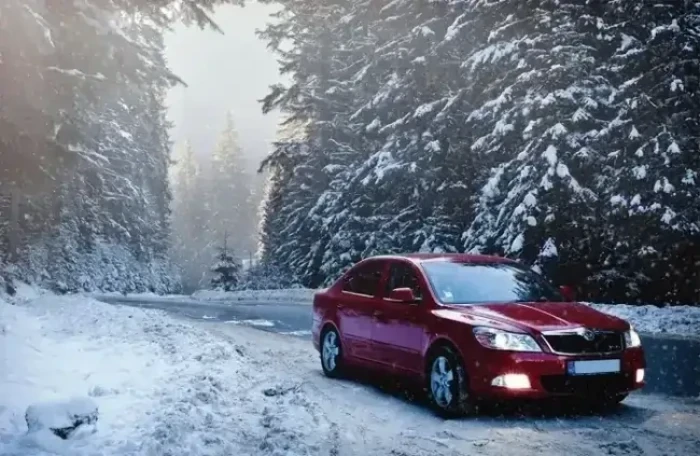


Cold weather changes how a car behaves. Battery output drops, fluids move slower, and tires lose grip. A car that feels fine in fall can start struggling once temperatures swing, especially on mornings when the engine is cold and the roads stay damp or icy.
Install Winter Tires And Check Tire Pressure
Winter tires are worth considering once your area stays consistently cold. The goal is dependable traction when roads turn slick and stopping distance starts to feel less predictable.
Source: Tire Pressure vs Temperature Chart: A Detailed Guide - Ask My Auto
Tire pressure also changes when temperatures drop. Tires can lose about 1 PSI for every 10°F drop, which is why TPMS lights often show up after a cold snap. Check pressure with cold tires and use the placard pressure on the driver door jamb.
Test The Battery And Clean Battery Terminals
Battery trouble usually shows up early in winter. Cold temperatures slow battery chemistry while the engine needs more power to crank.
AAA notes a battery can lose about 35% of its strength at 32°F (0°C) and about 60% at 0°F (-18°C). A load test before the coldest weeks helps, especially once a battery reaches the three year mark.
Corrosion and loose terminals can cause slow starts and intermittent electrical issues. Cleaning and tightening connections can prevent repeat problems later.
Check Oil, Coolant, And Winter Washer Fluid
Oil thickens as temperatures drop, so the owner’s manual matters more than habit. Use the viscosity grade listed for winter temperatures in your region.
Coolant needs enough antifreeze concentration to handle freezing temperatures and protect the cooling system from corrosion. Stick with the coolant type and mix guidance your vehicle manufacturer specifies.

Windshield washer fluid should be winter rated so the reservoir and lines do not freeze during a storm. Winter blends also cut road film and salt spray faster, which helps visibility during slush and spray.
Inspect Hoses, Belts, And Heater Performance
A cooling system can look fine until winter puts it under pressure. A weak radiator cap, a sticking thermostat, or a slow leak can leave the heater weak and the engine running cooler than intended.
A pressure test before deep winter travel can catch small leaks. Check hoses and clamps for seepage, swelling, soft spots, or cracking once the engine is cool. Look at belts at the same time, since glazing and fraying can turn into a breakdown when temperatures drop.
Replace Wipers And Check All Exterior Lights
Visibility is where winter driving becomes stressful. Wiper blades that work in summer can smear and ice up once freezing rain and slush arrive. Beam style or winter blades usually hold up better than framed designs in wet snow.
Defroster performance depends on airflow through the cabin. A clogged cabin air filter can reduce heat and slow defogging, so replacing it before winter often improves windshield clearing time quickly.
Exterior lights deserve a full check since winter driving brings more darkness, glare, and road grime. Replace burnt bulbs and clean cloudy lenses so hazards are easier to spot.
Windshield chips can spread in freezing weather. Repairs are easier before the first deep cold stretch.
Doors freezing shut can catch people off guard. Silicone on weather stripping helps reduce sticking. Graphite lubricant works in keyholes if a physical key is still used. Keep a dedicated de icer in the car.
Inspect Brakes, Shocks, And Alignment
Winter traction is limited, so braking and steering systems have less room to hide wear. ABS and stability control help maintain control, but both still rely on tire grip.
Pads and rotors should be checked before winter, especially if vibration, squealing, or pulling already exists. Salt and slush can accelerate corrosion, and braking can feel rough after the car sits overnight.
Suspension and alignment matter as well. Worn shocks reduce tire contact on uneven winter roads, which affects steering feel and stopping performance when traction is already reduced.
Keep The Gas Tank From Running Low
Storm season is a bad time to run on fumes. A fuller tank supports longer idling time during delays and gives more flexibility if traffic stops for hours.
Diesel vehicles need extra attention in cold weather. Winter blend fuel, anti gel practices, and a healthy glow plug system can make the difference between a clean start and a no start on freezing mornings.
Clear Snow Away From The Tailpipe Before Idling
Snow buildup around the tailpipe can block exhaust while the engine idles, especially after getting stuck or parking in a drift. Clear snow away from the exhaust outlet before starting the engine, and keep the area clear if idling becomes necessary.

Pack A Winter Emergency Kit For Your Car
A winter kit should match the driving pattern. A short city commute can stay lighter, while longer or rural routes call for supplies that cover more time and fewer nearby options.
Warmth: blanket or sleeping bag, gloves, hat, hand warmers, spare socks, spare boots
Traction And Tools: small shovel, sand or kitty litter, ice scraper and brush, jumper cables
Visibility And Signaling: flashlight, reflective gear, road flares or LED markers
Food And Water: shelf stable snacks, water stored with room for expansion
Tech And Medical: power bank, first aid kit, basic multi tool
Recovery gear can help when snow is deeper or the shoulder is narrow.
Tow strap rated for the vehicle’s weight
Traction boards
Bright tarp or flag for visibility if stuck off road
Carry Chains If Your Route Requires Them
Some mountain routes and snow zones require chains or other traction devices. Check local DOT requirements for routes that cross elevation changes, then practice installation at home during daylight so roadside setup stays faster and safer.
Wash Road Salt Off To Reduce Rust
Road salt speeds up corrosion. Regular washes help, including the underbody when possible. Rubber mats make it easier to manage slush that would soak into carpet. Drying mats and carpet periodically also helps prevent odors and mildew.
EV Winter Range And Charging Prep
Cold weather reduces range through battery chemistry and cabin heating load. Preconditioning while plugged in helps reduce the hit, and keeping a practical charge buffer supports detours and delays when road conditions change.
Charging cables can stiffen in extreme cold, so storage in a clean, protected area helps keep handling easier. Driver assistance features can struggle when sensors and cameras are blocked, so keeping those areas clear improves reliability on winter roads.
Winter Car Shipping Prep Before Pickup
Winterizing also helps when a vehicle needs to move during cold months. A carrier can only load and unload safely when the car starts, rolls, and stops as expected.
Before pickup, confirm the battery starts reliably, tires are properly inflated, fluids are topped off, and the windshield and mirrors are clear. Keep the fuel level around a quarter tank so the vehicle can be driven on and off the trailer without adding unnecessary weight. Remove personal items and secure any loose accessories.
Route, timing, and equipment affect pricing, so planning usually starts with the AmeriFreight Auto Transport car shipping cost calculator.
Check The Spare Tire And Tools Before A Winter Trip
A flat tire in winter is harder to handle than a flat tire in summer. Verify the spare tire condition and pressure, and confirm the jack and lug wrench are present and usable. Recheck tire pressure, washer fluid, and coolant level before long winter drives, especially after big temperature swings.